
Patient Guide
Dental Implant Surgery Care
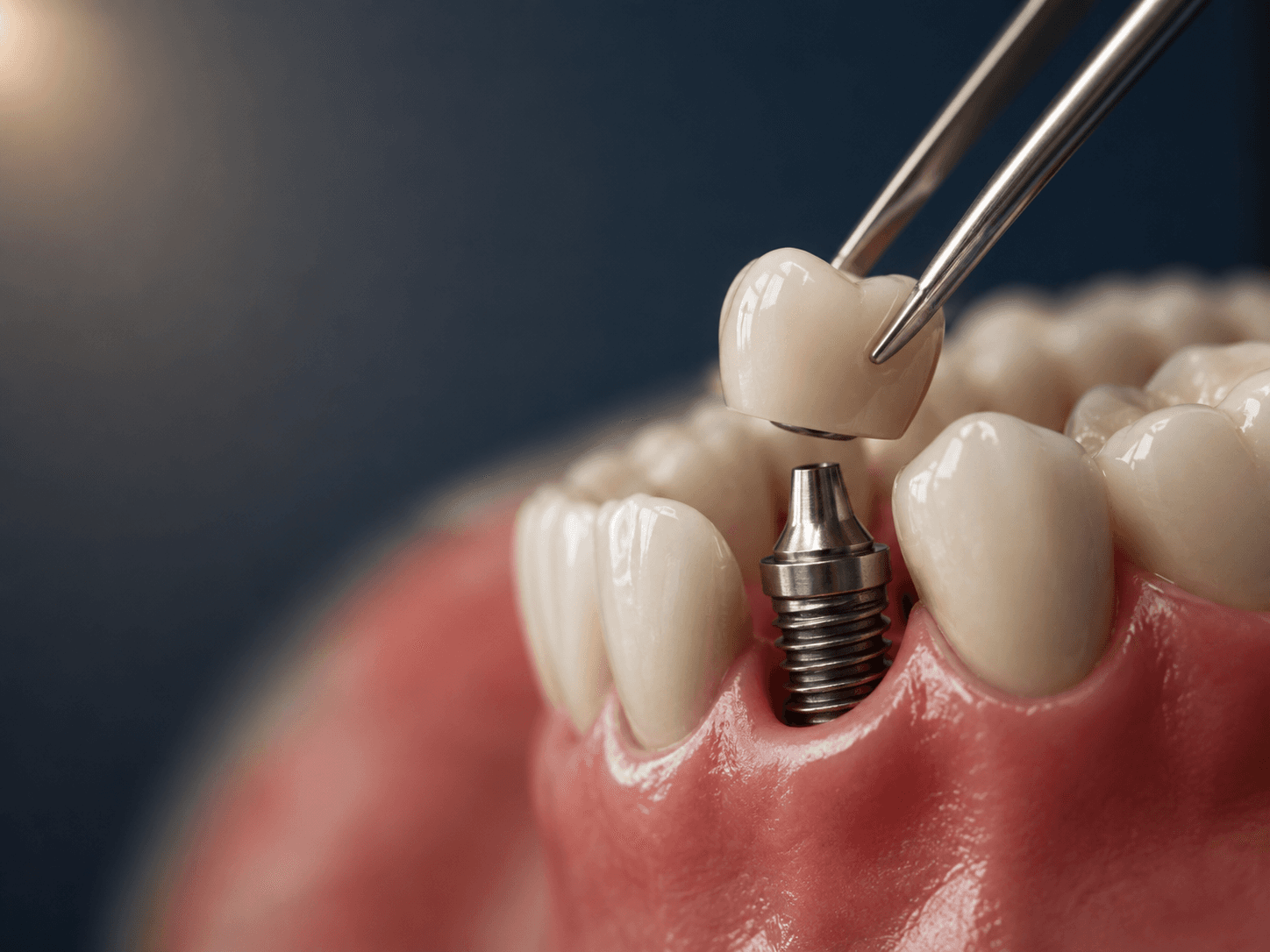
General care guidance before and after dental implant placement.
Before the Procedure
- Your general health and oral condition will be reviewed by your doctor before surgery.
- Let your doctor know about diabetes, blood pressure conditions, bleeding disorders, specific medications, or any prior medical history.
- Imaging such as a panoramic X-ray or CBCT scan will be taken as directed by your doctor.
- If you take blood thinners or specific supplements, do not stop or change them without coordinating with your doctor.
- Careful oral hygiene before surgery is important.
- It's best to stop smoking and alcohol before surgery, as both can interfere with healing.
- Plan ahead for the day of surgery, and bring a companion if needed.
- Understanding the aftercare steps in advance helps you manage your recovery more comfortably.
After the Procedure
- Keep the sterile gauze over the surgical site with gentle pressure for about 2 hours.
- Use a cold compress on the face for the first 24 hours; skip it on day two, and from day three a warm compress may help, as directed by your doctor.
- Swelling usually peaks around day three or four and then subsides — swelling on its own is not a sign of infection.
- Take any prescribed medication exactly as directed.
- Stick to soft foods and liquids during the first week; cold, soft food is more comfortable on day one.
- Avoid using a straw for two weeks.
- Slight oozing for up to two days can be normal — avoid spitting.
- Brush your other teeth and the healing area gently with a soft brush, and use mouthwash as directed; after rinsing, let the liquid fall out gently rather than spitting.
- Avoid smoking and alcohol.
- Stitches are usually removed around two weeks after surgery.
- If a sinus lift was performed at the same time, avoid blowing your nose, nasal suction, or any pressure on the nose.
Caring for Your Crown or Prosthesis
- An implant needs regular care — if anything, more consistent than a natural tooth.
- Take brushing, flossing, and (if recommended) a water flosser seriously.
- Regular check-ups in the first year, as scheduled by your doctor, matter — and ongoing check-ups after that too.
- Let your doctor know promptly about any sense of looseness, food trapping, swelling, discharge, or anything that feels off.
- A slightly different feeling in your mouth in the first days after the crown is placed is common and usually settles as you adjust.
When to Contact the Clinic
Contact the clinic immediately if you experience severe pain, fever, unusual bleeding, or any other concerning symptom.
- Fever and chills
- Discharge of pus
- Severe or worsening pain
- Uncontrolled bleeding
- Swelling accompanied by signs of infection
- A feeling of looseness or any serious concern around the implant
Frequently Asked Questions
This page is for general awareness and early post-treatment care only. It does not replace your doctor's direct instructions, an in-person examination, or follow-up care. If you notice any unusual symptoms, please contact the clinic.
← Back to Pre & Post Procedure CareHave a question about care before or after your procedure?
The Smart Clinic Assistant can suggest the right guide for your procedure or start your consultation path.